This is a hard post to write.
It brings up so many uncomfortable emotions. I’ve wanted to write it for the past year, to help me gain understanding and peace following the death of a dear friend, but I just… couldn’t. Guilt, shame, remorse, disbelief, even flashes of anger boiled up, leaving me contrite whenever I thought about what occurred. How to explain it?
Then, on October 30th, I read an advice column where a person seeking help had a similar experience. The columnist’s response helped me put my emotions in perspective. A few hours later, I read an essay about grief that added more context to my experience.
It felt as though, that day, the universe took me by the shoulders, shook me gently, and said, “Enough wallowing. Time for a new outlook.”
Surely, others have ridden this unwelcome wave of feelings and reactions after losing someone important to them with no opportunity for closure. There’s no road map, no manual telling us how to process such emotions. Maybe sharing my experience, coupled with the advice and philosophical outlook at the end, will help.
***
A year ago, I learned a dear friend had died.
The way I learned, and the range of emotions that followed, are what left me floundering. Did I misinterpret our friendship? Did I not matter to her as much as she did to me?
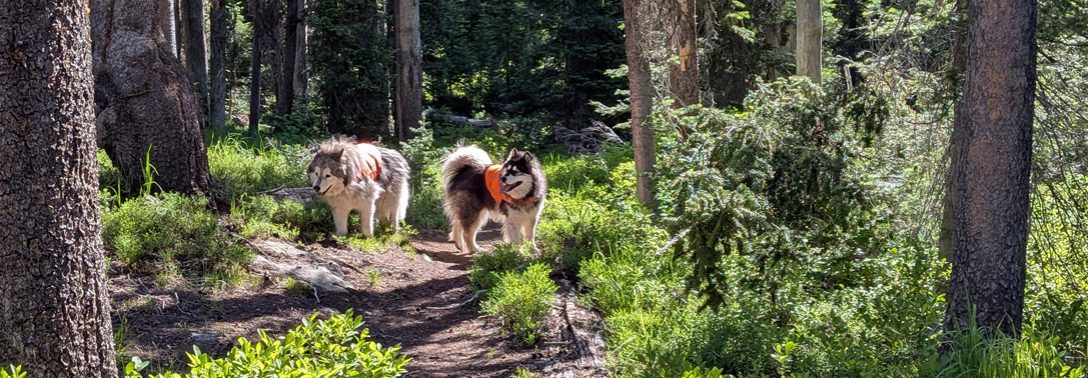
Miki and I met over dogs. She with her one-eyed, medium-sized fluffy rescue Loki, me with my Alaskan Malamute puppy, Maia. This was in a Seattle suburb around the year 2000.
Looking for a place to let Maia be off leash and socialize with other dogs, I discovered Hamlin Park, an 80-acre city park that had trails through some woods. One day while walking there with Maia, I met Miki, Loki, and a handful of other people and their dogs. These meet-ups became a regular thing.
There was a small open area at the end of a trail, and that’s where we would gather. We humans would talk and laugh as we watched our dogs play. Maia looked forward to these playdates. I would let her off leash well before I saw the open area, and she’d run full speed ahead, eager to greet her canine and human friends.
After the dogs roughhoused a bit, as a group, we’d walk the trails. As the number of people and dogs grew, this became challenging as other people used the single-track paths through the trees.
Adjacent to the park was a middle school with a large, grassy sports field. Our tight-knit group of people and dogs began meeting there every weekday evening around 6 pm, a bit earlier on weekends. By this time, we were a core group of 5-10 people with dogs; others showed up sporadically. Because we were careful to clean up after our dogs and pick up litter left by others, the principal of the school was fine with our being there.
Many wonderful friendships ensued, not just between dogs, but between humans as well. It turned out that Miki and I worked in similar fields, focused on the well-being of children, cementing our friendship. We became each other’s sounding boards, often asking what they would do in certain cases.
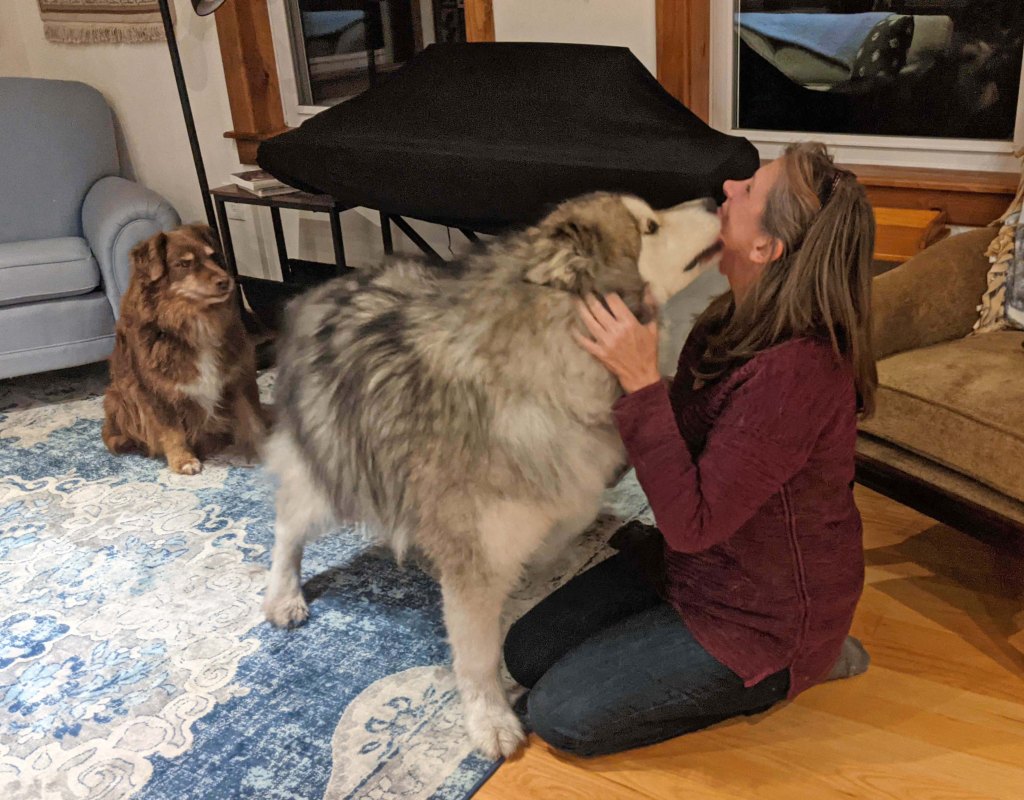
And Maia adored Loki, who tolerated her play style: wrestling by putting her mouth on his neck. At the end of each play session, Loki’s neck fur became soaked, but he never minded. When, about a year after I joined the group, I added puppy Meadow to my pack. Loki tolerated being double-teamed by the girls.
In 2005, I moved to Idaho. It was hard to leave this wonderful group of people and dogs behind. Thanks to social media, and the twice-a-year weekend dog camp I had started, I stayed in touch with several of them, including Miki.
Then, when I moved back to Washington in 2009 to ride out the recession, Miki and I resumed meeting every couple of weeks at area dog parks or urban trails to catch up with each other and let our dogs play. By this time, Miki had adopted a second dog. We lived several miles (and bad Seattle traffic) apart, but we always made the effort.
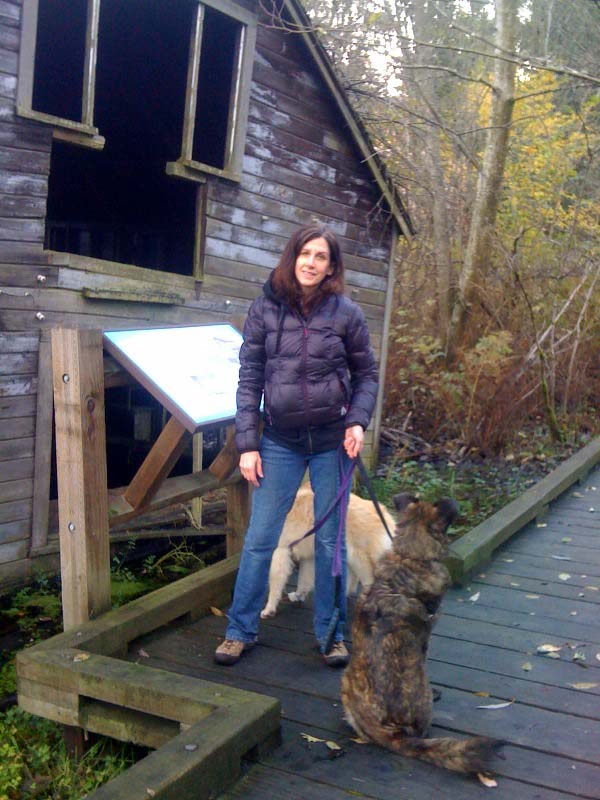
I loved our talks. Both independent women, living in our own homes with our dogs, we each put toes in the dating pool with no genuine success. Miki often talked about moving back to California. What I liked most about our time together is that, like me, Miki was an introvert and an empath, so we “got” each other and the challenges life presents people like us.
I spent the summer of 2013 in Idaho writing my first book. Miki invited me to join her and her dogs over Labor Day weekend at Ocean Shores, a resort town in southwest Washington on the Pacific Ocean. She had rented a dog-friendly house about a block away from the beach. It was exactly the break I needed. I had lost both Maia and Meadow earlier that summer; Maia to old age, Meadow to bone cancer. I had adopted Finn, an Aussie, back in 2008, so he came to the ocean with me. Watching him run along the beach, chasing seagulls, helped heal my grief over losing the girls. Loki, by this point, was quite old. He lost the vision in his eye and had gone deaf. Miki and I often had to chase after him as he followed his nose on the beach, herding him back to us. Her other dog, Macie, loved running in the sand, retrieving tennis balls.
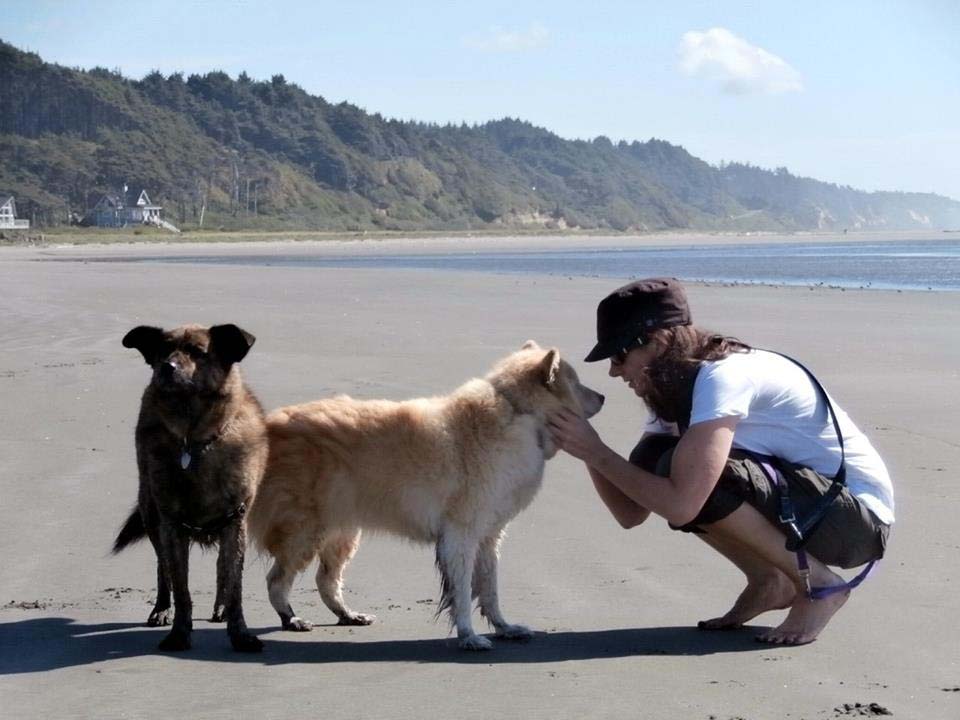
It was a magical weekend. Miki listened and helped me determine an approach for my book, which I finished upon returning to Idaho. I mentioned Miki in the book’s acknowledgements, for her support and never letting me give up on the project.
I returned to Idaho permanently in late 2014. As was typical for us when I was in Idaho, Miki and I stayed in touch through Facebook, sharing memes about dogs and introversion through Facebook Messenger, and occasional emails. Being introverts, we both hated talking on the phone. If I had plans to be in Seattle, we’d make the effort to get together.
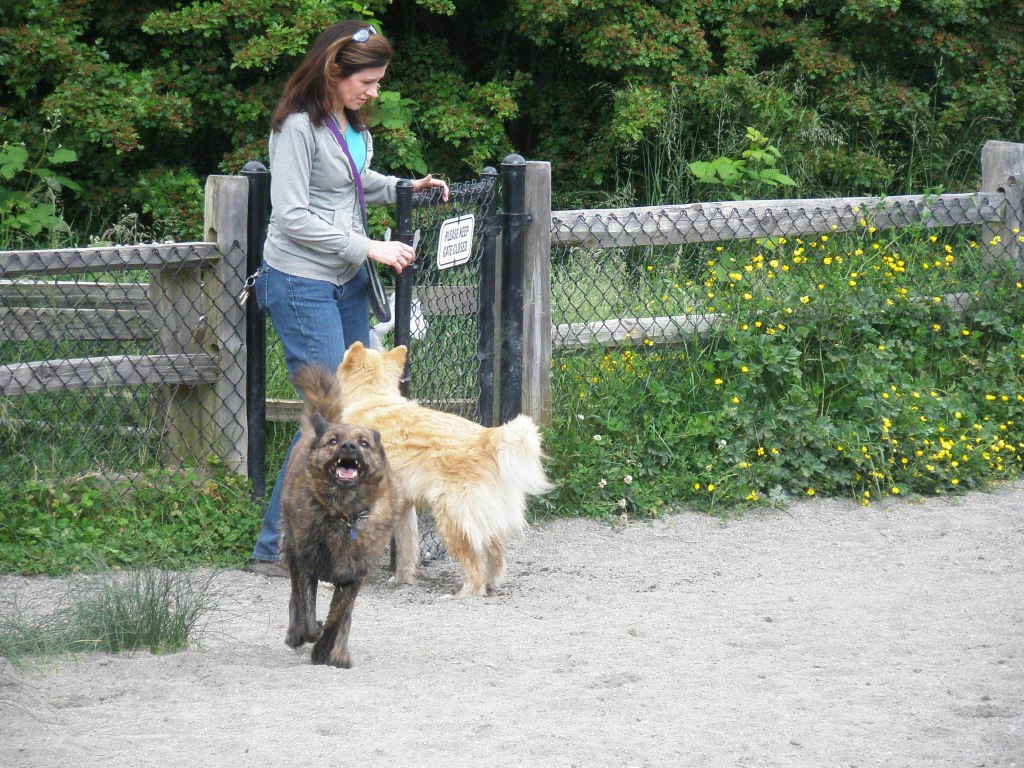
In 2021, during the pandemic, I moved to Vermont. To my delight, later that year, Miki reached out, saying she was flying to Virginia for her mother’s memorial service and to see a friend in New York. Would I like a visit? Of course! Amazed she was willing to come all the way to Vermont during such a trip, I was excited to see her.
When she arrived, Miki handed me this gift, proof that she got me, including my sense of humor.
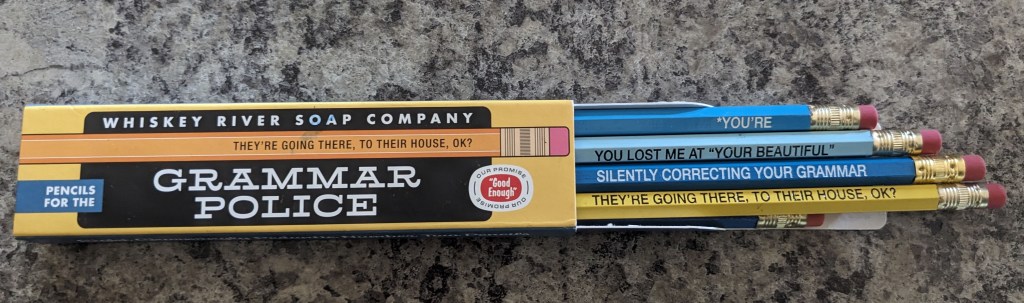
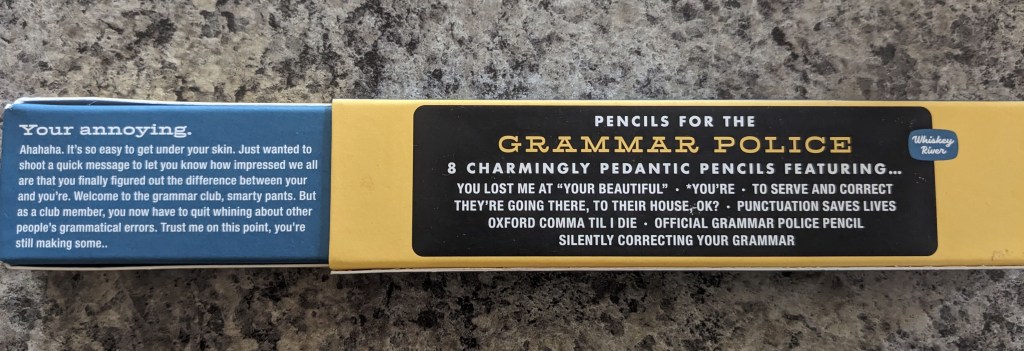
Miki spent two nights at my house in October. We caught up while walking with my dogs through neighbors’ fields or eating pizza for dinner, and once again, she helped me with framing my second book, a memoir.
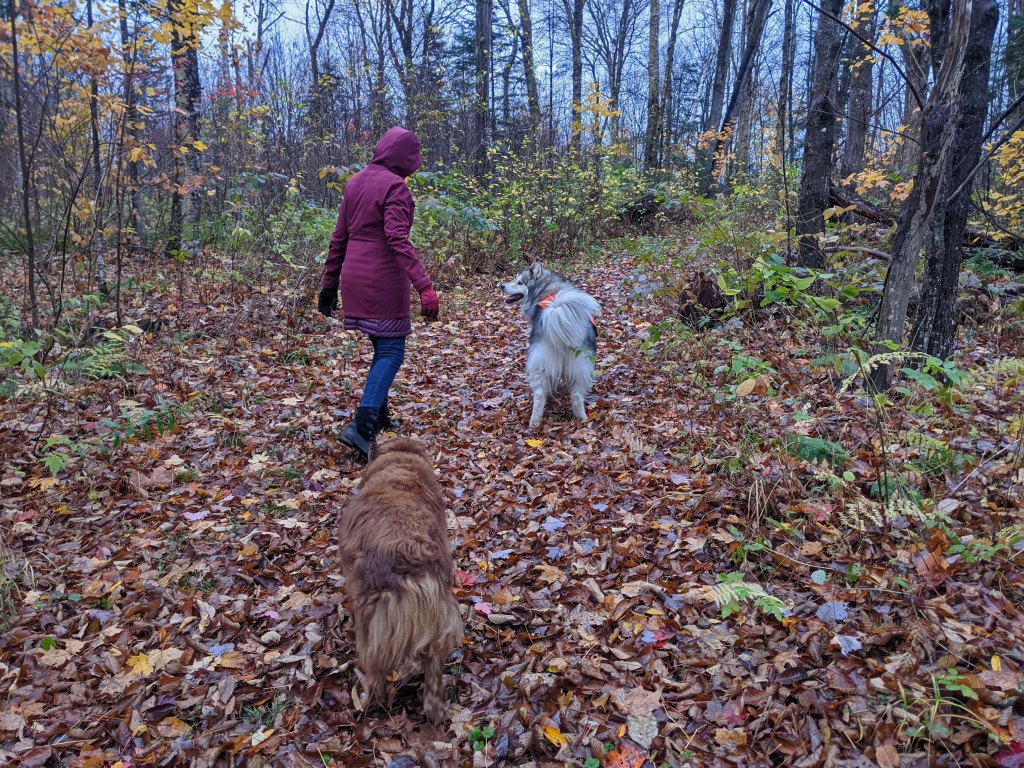
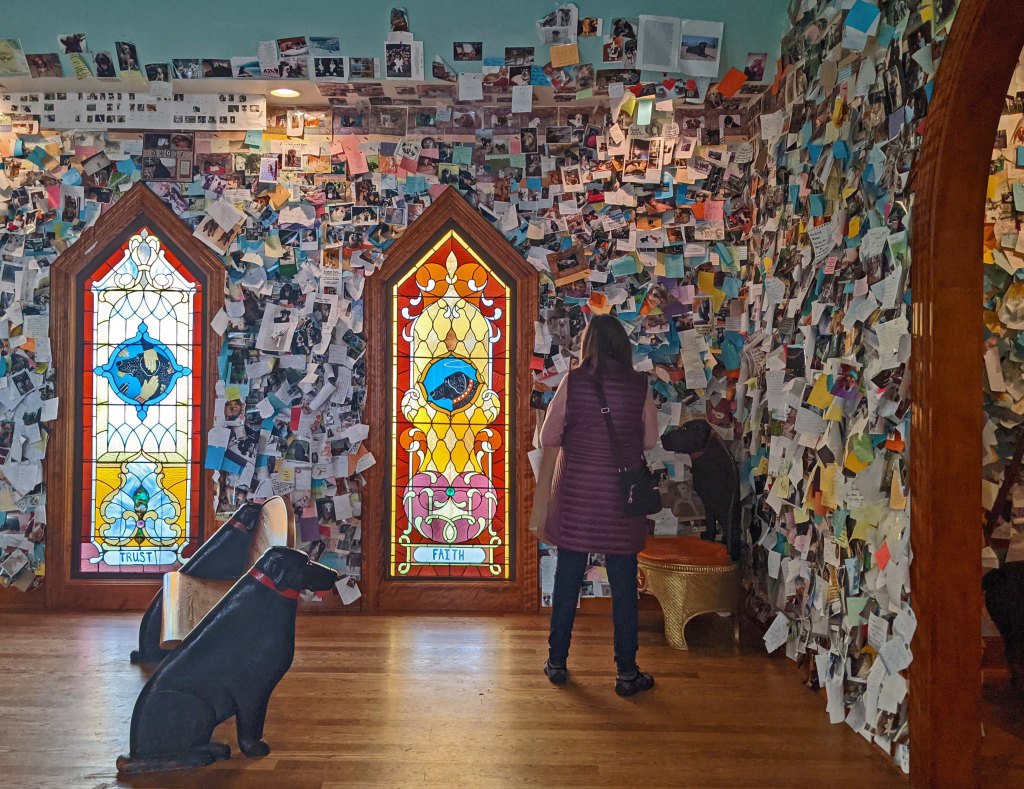
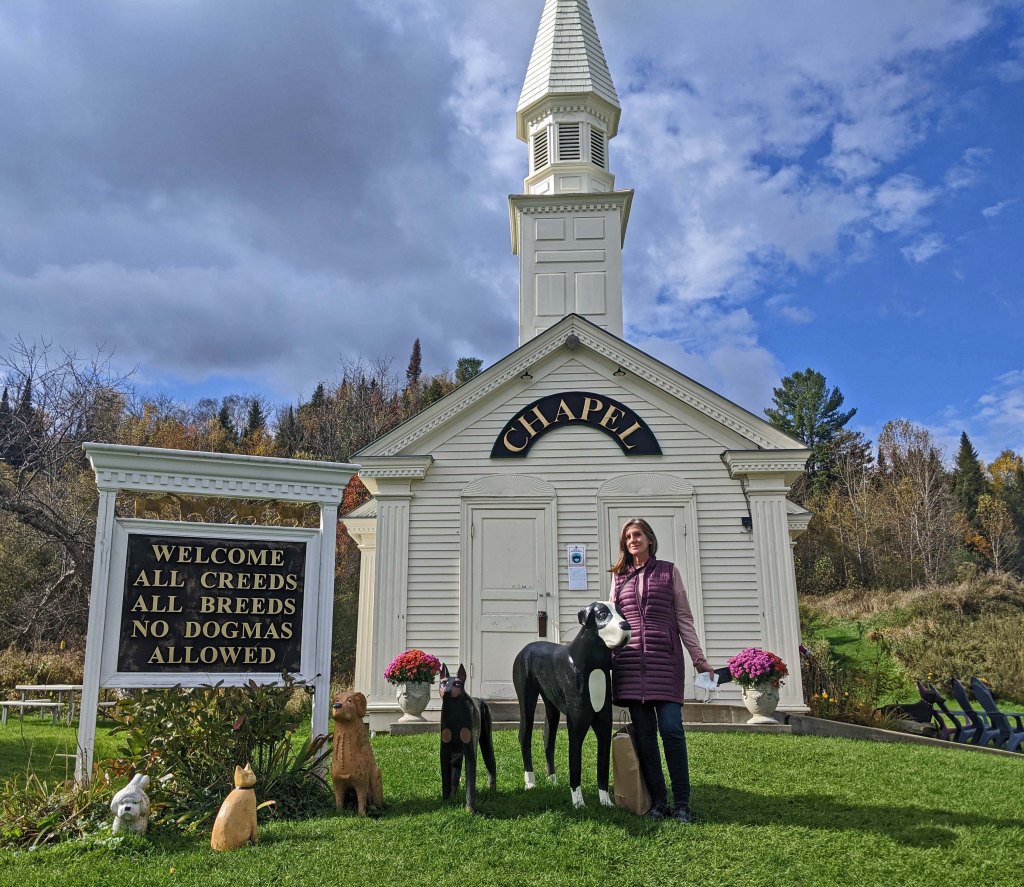
We made a pilgrimage to Dog Mountain, a special, spiritual place dedicated to the joy dogs bring us, about an hour away. In addition to off-leash hiking trails and a shop displaying the original dog-themed artwork of Stephen Huneck, the founder, there’s a small chapel where people leave notes of love and grief for the dogs they’ve lost. Loki and Macie were both gone by this point; Miki left notes on the chapel walls for them both.
Miki was struggling with family issues related to her mother’s estate. During her Vermont visit I listened and, using my legal experience, helped her work through perspectives and options. At her mother’s memorial a few days earlier, Miki handed out packets of wildflower seeds to the attendees. She brought me one.
After that visit, we continued to share memes through Messenger, even after I moved back to Idaho in late 2024. By the summer of 2025, I was struggling with a lot of pain issues. Distracted, I wasn’t myself. By September, though, I realized I hadn’t heard from Miki in a while. Checking Messenger, I saw that the last meme she sent me was on March 29th.
I checked her Facebook page (she wasn’t a frequent poster, as I am) and saw several recent cryptic messages from friends saying they’ll miss her.
My heart pounded with dread.
I searched for evidence my dread wasn’t justified, but failed.
I reached out to Mark, one of the original Hamlin Park dog people, someone who had remained friends with both me and Miki over the years. He went to her page, read the comments and felt similar dread. He reached out to someone he knew who was close to Miki. That person informed Mark that Miki received a pancreatic cancer diagnosis in late March and died in September.
A gut punch, leaving me stunned.
Why didn’t I know? Why hadn’t I been in touch during those months she was struggling?
I felt such guilt. I had failed Miki.
I also felt anger, not toward Miki but toward those helping her through that awful time. Couldn’t they have alerted her next circle of friends, friends like me?
A heavy sadness descended over me. I never got to say goodbye to someone who was a close, meaningful, reliable part of my life. We shared life’s ups and downs, joys and fears, and an overarching love of dogs. Miki was a safe place for me to fall for two decades.
I tried putting myself in Miki’s shoes. Wanting to understand, I thought, I wouldn’t want to reach out to all my friends, some closer than others, only to share such devastating news. Especially with only months to live. Nor would I want to deal with their pity, generic offers to help, or need for me to reassure them I’m coping.
Personally, I would want to retreat into the smallest, most comforting world possible, which I would define as my dogs and one or two key people.
That framing helped me release most of my guilt, anger, and pain. But not all.
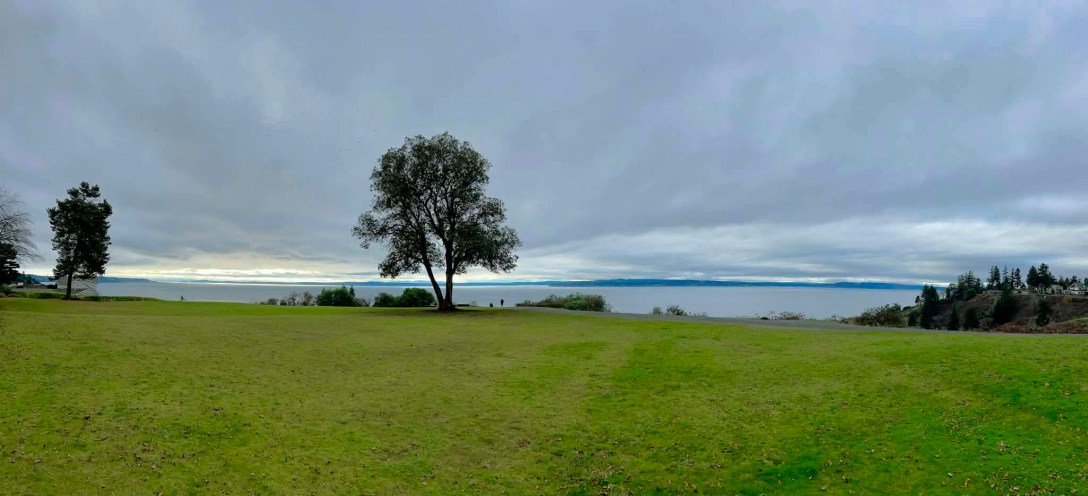
Mark was equally devastated by the loss of Miki. He learned from her friend that Miki’s ashes were spread at Richmond Beach Saltwater Park, her favorite place to walk her dog. He took his dog, Tattoo, for a walk there, strolling along a high bluff with gorgeous views of Puget Sound as the sun set. When he sent me photos, I thought, Perfect. Makes total sense. She’s at peace.
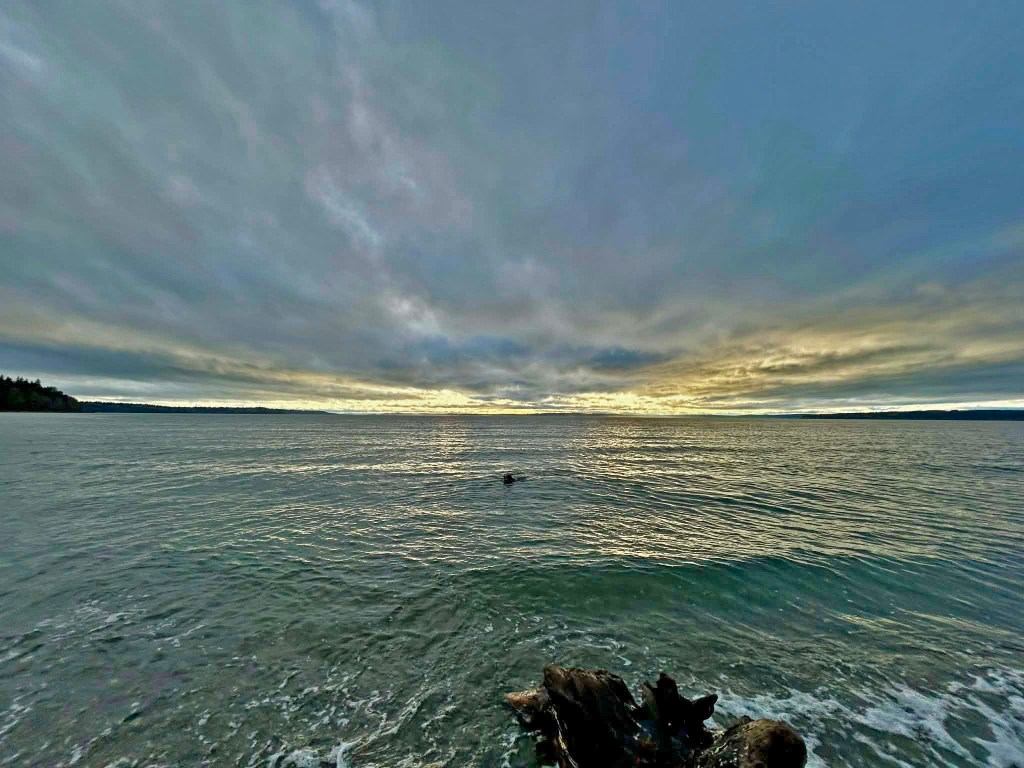
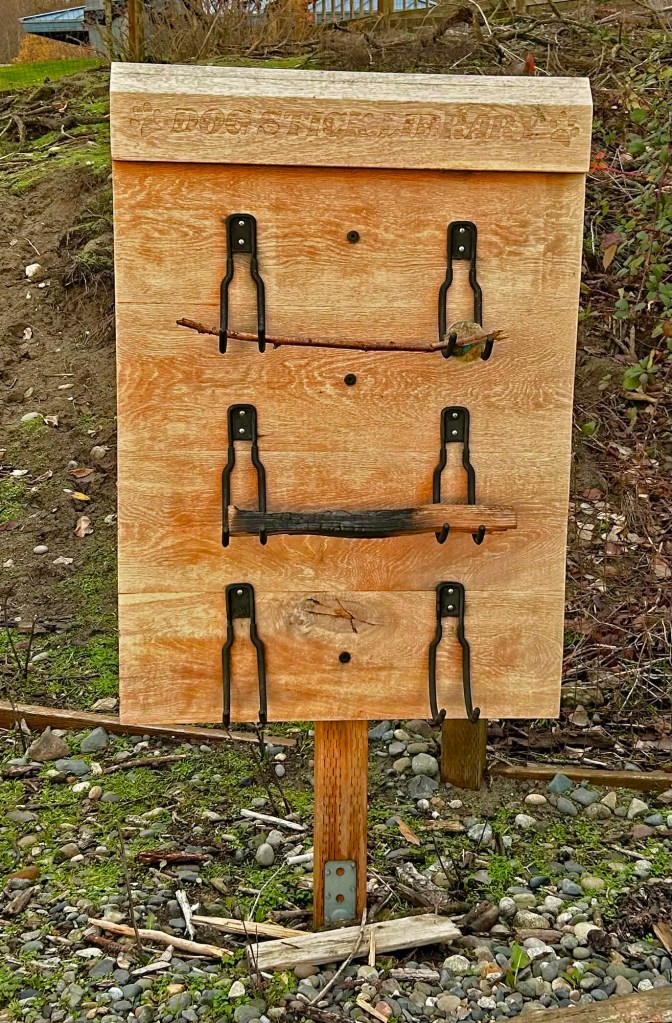
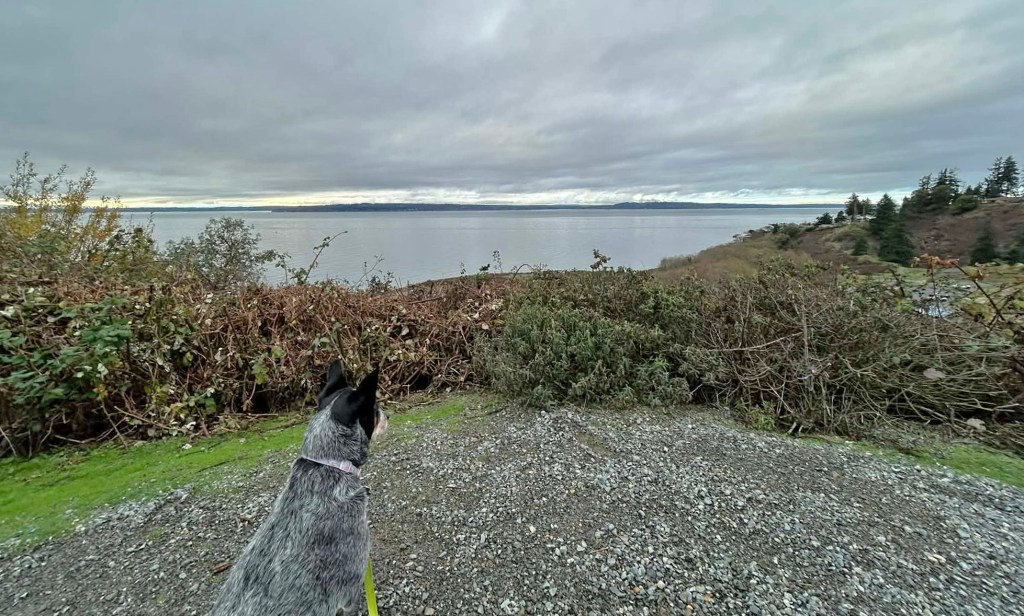
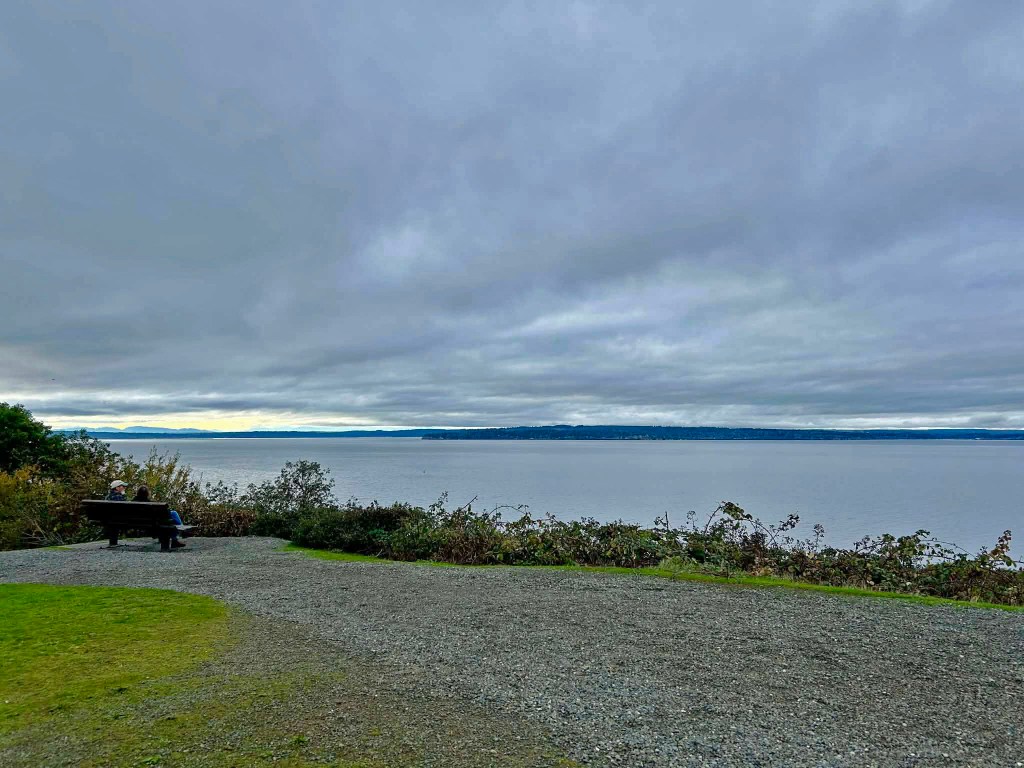
Seeing the photos, I cried fresh tears, both for the beauty of the scene and the grief I felt at the loss of my wonderful friend, Miki.
***
I brought the packet of wildflower seeds from Miki’s mother’s memorial from Vermont to Idaho. In the spring of 2025, I planted them at one end of a dedicated wildflower garden at my new house. Soon, Black-Eyed Susans, yarrow, and basket flowers appeared, now perennial reminders of Miki.
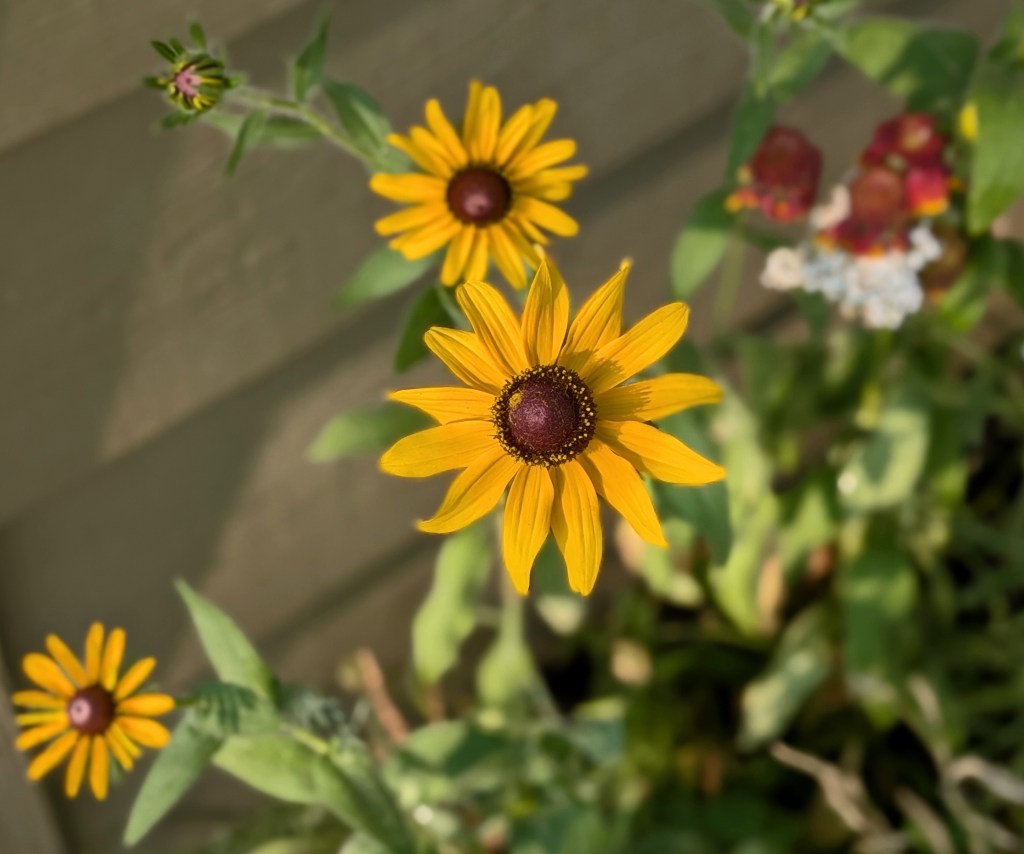
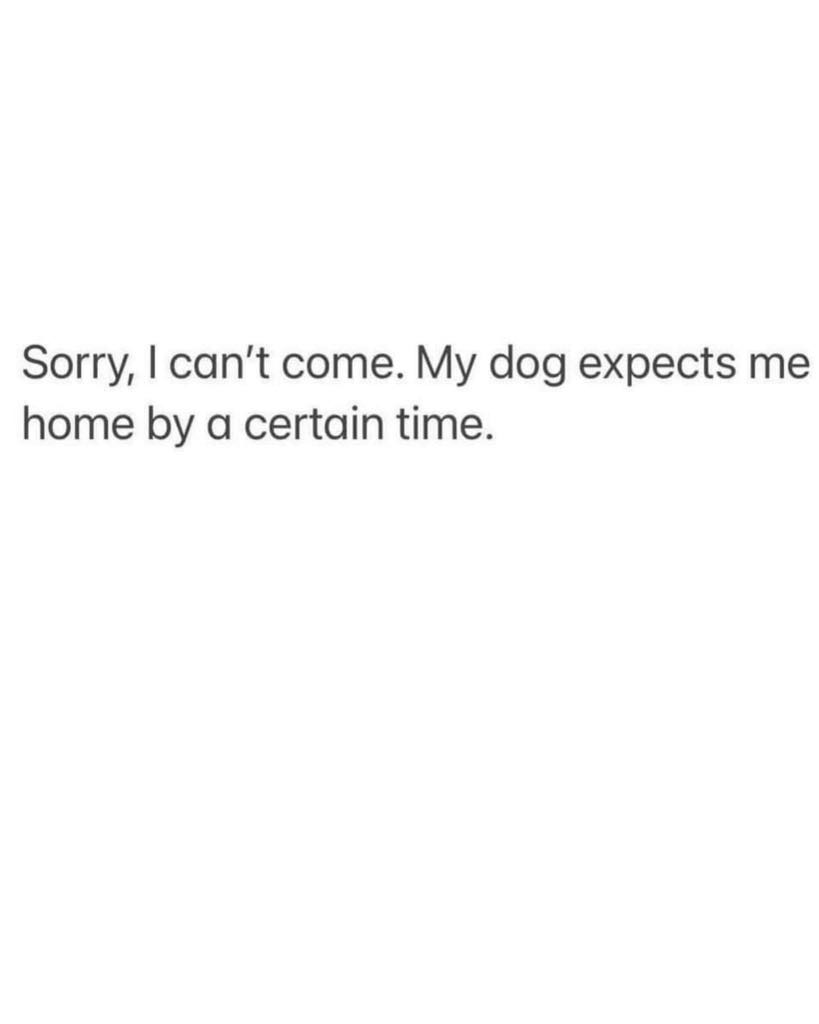
A meme Miki sent me late October 2024, adding: “This is going to be my standard reply to any invite. Cuz it’s true.”
***
In two very difference resources, on October 30th I read words that both validated my feelings and helped me understand why my reaction to learning of Miki’s death after the fact roiled so many troubling emotions in me.
First, an abridged version of the 10/30/26 Carolyn Hax advice column in the Washington Post:
Letter writer: A friend just died, way too young. She hadn’t wanted anyone in our shared community to know she was sick so it was a complete shock. I am so glad she got what she needed – a community that I hope was a reprieve from her illness. Is it selfish to also feel sad that I didn’t know she was sick? I truly feel grateful her needs were met, which is the most important thing, but it’s also just such a big shock to have her suddenly be gone.
Carolyn Hax: I am so sorry. There are several kinds of grief here — for a friend, which is a particular and often under-recognized grief; for a life cut short; for your chance to settle things and say goodbye.
Of course there’s nothing selfish about wishing you’d known. Think of it this way. Just as her being sick made it okay for her to prioritize what she needed, your grieving is permission to feel whatever uncomfortable, even contradictory things you feel.
Now, there’s obviously a matter of degree to consider. A person with a terminal illness has far more license to act in her own interest than someone who is, say, in emotional distress. So you can be upset about the decision she made without beating yourself up for it or feeling like a bad person, ….
Airing your dismay is for anonymous forums like this, where I can then agree with you and sympathize completely—not knowing does make it harder. One thing I can say is that if she didn’t feel loved and at peace with the people in her life, then she wouldn’t have done things as she did. So maybe you can take some comfort in that, that whatever you wish you could have told her, she knew, in her way.
***
And second, from Aeon and also abridged:
Love with nowhere to go
Grief is not only for the dead. When we are unable to honour other profound losses, we become strangers to ourselves
Can there be grief without death? I have come to think that we grieve much more often than we realise, and that death is grief’s most visible occasion rather than its essence. […] That is the human predicament: we are creatures built to attach, living in a world where nothing stays. Sooner or later, we lose the things we care about. And since we are complex beings with a body, a mind, a community and an environment – beings who love many different things – there is a great deal we can lose, from our physical health to our sense of who we are, from relationships to homelands to the natural world we share with other species. For creatures like us, there is no way around heartbreak: to live is to lose. Grief is what love does when its object is gone. It is love with nowhere to go.
What sets grief apart is how deeply the loss reaches into the fabric of your life: grief begins where your identity is disrupted. What is lost in the case of grief is not just some concrete, historical object, but a cluster of (future) possibilities that are tightly woven into your sense of identity, life structure or experiential world. When they go, you don’t just lose something: you lose a version of yourself, your life is turned upside down, and you come to inhabit, in a real sense, a different world. This is why death is grief’s most extreme instance, rather than its only one. When someone we love dies, every possibility – not only our own possibilities with them, but their possibilities too – is wiped out.
Those whose grief is disenfranchised because their losses are ambiguous don’t just lack scripts or rituals or traditions. They lack the interpretative resources to understand and share significant aspects of their experience.
When no one around you recognises your grief, you begin to wonder whether you were wrong to feel it at all.
When we cannot grieve a loss, we lose something else along with it: the chance to register what mattered to us. Grief is how we come to know what we loved in the presence of its absence. […] Your grief tells you that you had the courage to love, that you allowed someone or something else to enter ‘the core of [your] being and find a home in [your] heart’.
***
This post is me registering how much Miki mattered to me and always will. My personal memorial for her.
Reliving these memories, finding the photos I include here, reading all the funny memes she and I shared over the years in Messenger, I now believe that our friendship mattered as much to Miki as it did to me. It was real. I didn’t misinterpret it.
And, knowing Miki as well as I did, it wouldn’t surprise me—given how empathic and loving she was—that she wanted to spare me the heartbreak of knowing she had cancer and would soon die.
Thank you, Miki, for all the wonderful memories. For sharing you and your dogs with me.
I just wish I could have said goodbye.
Feature photo: The bluff at Richmond Beach Saltwater Park where Miki’s ashes were spread. Photo by Mark Nordahl.


